PropertArc vs MRI vs Yardi: Which CRE Platform Fits Your Portfolio?
Commercial real estate software is a portfolio operations platform used to manage leasing, accounting, maintenance, reporting, and renewals across complex property portfolios.
Compare PropertArc, MRI, and Yardi for commercial real estate operations, accounting depth, Microsoft integration, AI capabilities, and implementation complexity.
Al Rafay Consulting
· Updated July 14, 2026 · ARC Team
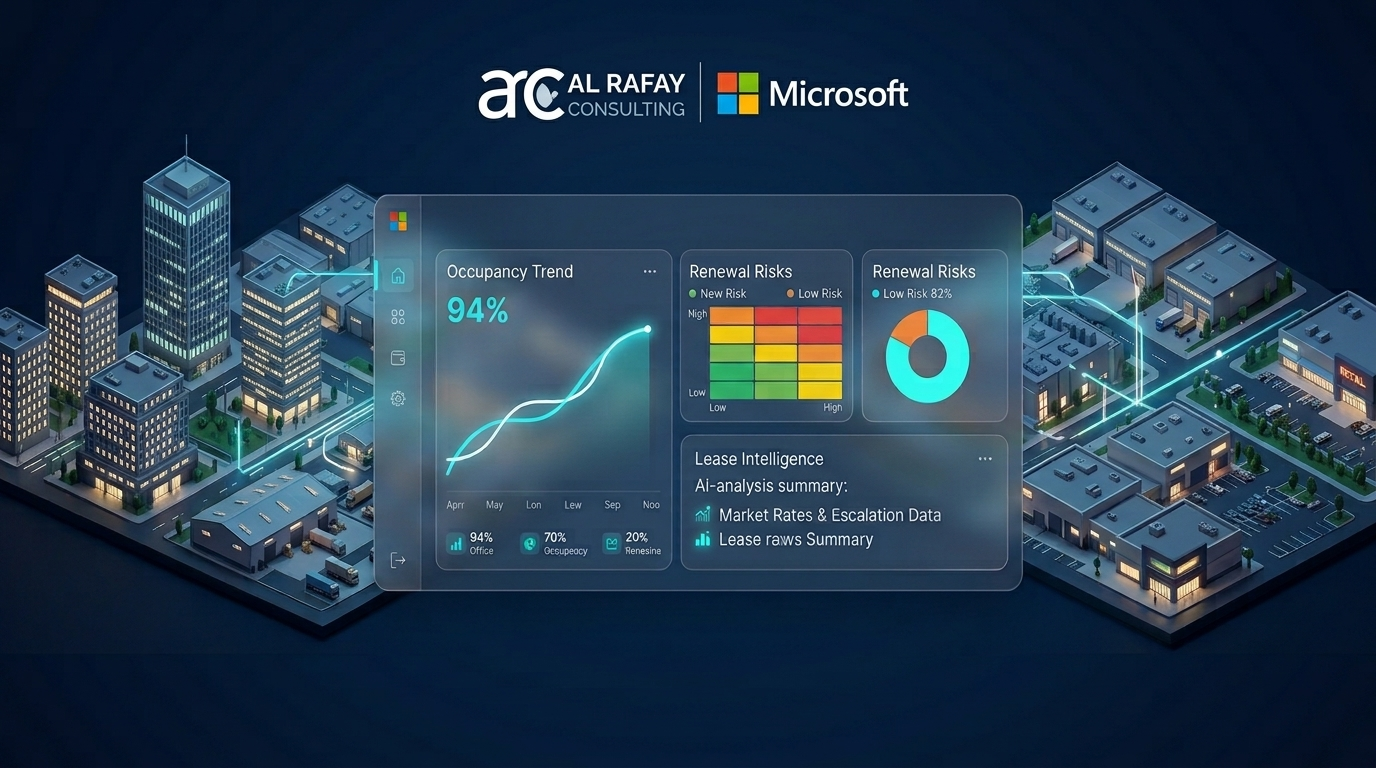
Most software comparisons start with a feature checklist. For commercial real estate teams, the real question is operational fit: which platform supports your lease complexity, reporting needs, accounting model, and technology stack without creating new friction.
If your organization is evaluating commercial real estate software, review our real estate solutions to compare implementation paths based on your portfolio requirements.
What Is MRI Software?
MRI Software is an enterprise real estate platform known for accounting depth, lease administration controls, and configurability. It is widely used by mid-size and large operators managing commercial, residential, and mixed portfolios.
MRI is often selected when teams need strong support for CAM reconciliation, percentage rent logic, and multi-entity accounting structures that exceed lighter property platforms.
What Is Yardi Voyager?
Yardi Voyager is a centralized property management platform with a strong accounting and operations core. Large portfolios often favor Voyager for broad module coverage, mature process controls, and compliance-oriented financial structures.
Yardi pricing and implementation are typically tied to scale and module footprint, which can work well for large operators but requires careful upfront planning.
What Is PropertArc?
PropertArc is an AI-assisted commercial property operations platform built on Microsoft technologies. Instead of retrofitting integrations later, it is designed around Azure, SharePoint, and Power Platform from the start.
It focuses on connected portfolio operations, document intelligence, renewal visibility, and actionable reporting for CRE teams that already run on Microsoft 365.
Quick Comparison: PropertArc vs MRI vs Yardi
| Area | MRI Software | Yardi Voyager | PropertArc |
|---|---|---|---|
| Core heritage | Long-standing accounting-first CRE platform | Enterprise property management platform | Microsoft-native CRE operations platform |
| Accounting depth | Very strong | Very strong | Integrates with existing finance stack |
| Microsoft ecosystem | Integrable with extra effort | Limited native depth | Native foundation |
| AI operating model | Platform AI capabilities | Platform AI capabilities | AI-assisted operations with connected products |
| Implementation profile | Moderate to high complexity | High complexity for full rollout | Faster for Microsoft-standardized teams |
| Best-fit profile | Complex accounting-heavy portfolios | Large-scale complex portfolios | Teams prioritizing connected ops and Microsoft-native analytics |
Microsoft Integration Differences That Matter
Many organizations underestimate integration overhead during vendor selection. This is often where long-term platform cost expands.
- MRI and Yardi can connect to Microsoft tools, but most teams still need integration workstreams for Power BI, SharePoint, and workflow automation.
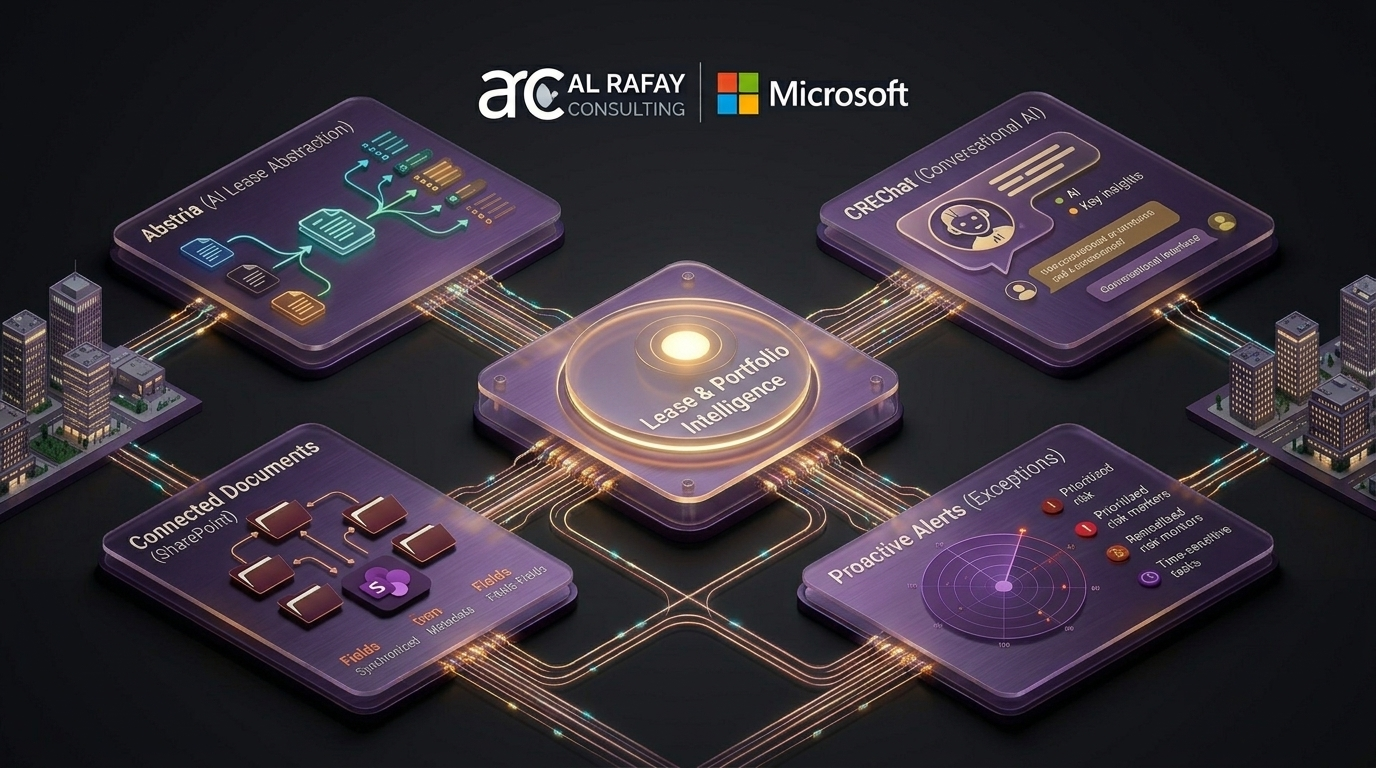
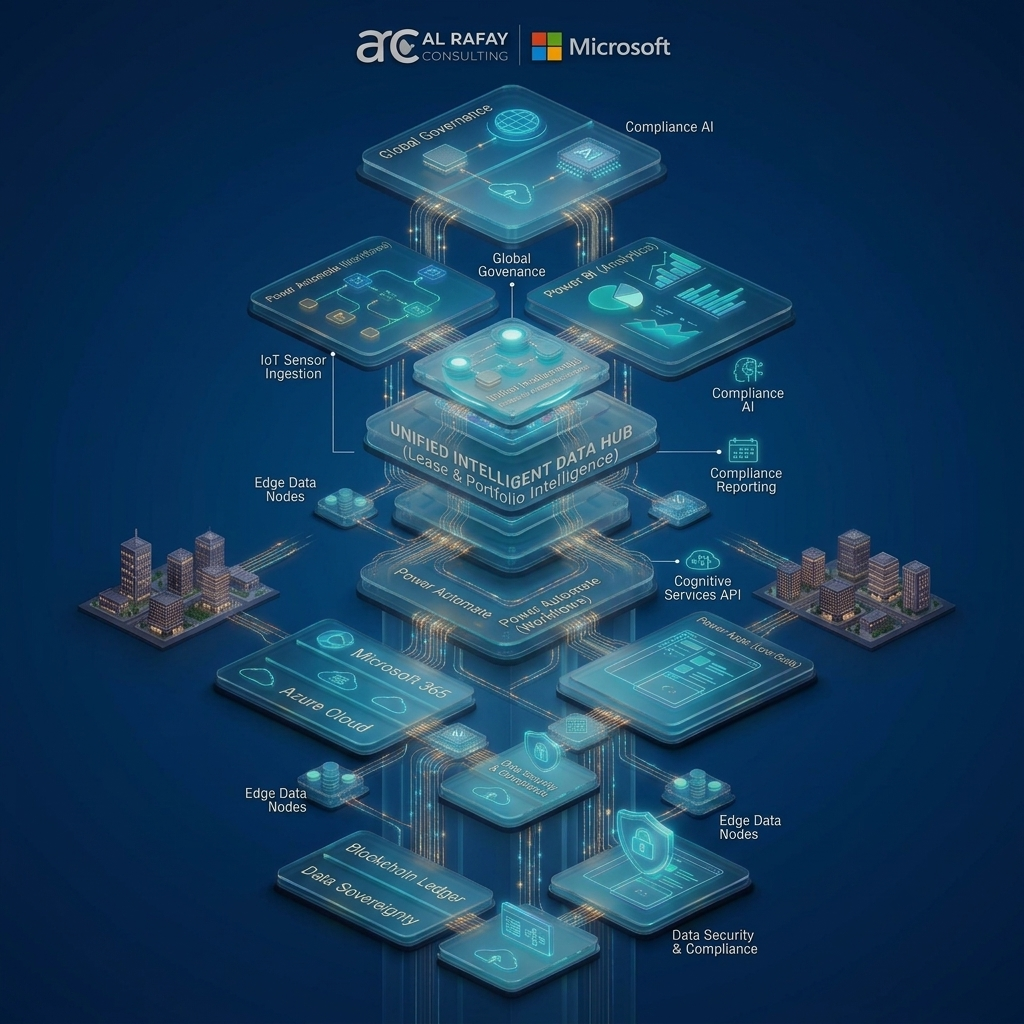
- PropertArc is built on Microsoft infrastructure, so analytics, document workflows, and automation can be implemented with less architectural rework.
For organizations already standardized on Microsoft 365 and Azure, this distinction changes timeline, governance complexity, and total cost of ownership.
Strengths and Trade-Offs
MRI Software
- Strong for complex lease accounting and configurable financial workflows.
- Trade-off: setup and customization often require specialized implementation effort.
Yardi Voyager
- Strong for large-scale operations in one centralized platform.
- Trade-off: full deployments can be resource-intensive and module-heavy.
PropertArc
- Strong for Microsoft-native operations, AI-assisted attention management, and connected document workflows.
- Trade-off: newer platform maturity in some deep standalone accounting scenarios.
Which One Fits Your Portfolio?
- Choose MRI when advanced accounting complexity is the primary driver.
- Choose Yardi when your organization needs broad enterprise module depth at large scale.
- Choose PropertArc when your operational priority is connected portfolio intelligence, Microsoft-native analytics, and faster implementation on an existing Microsoft stack.
Practical Buyer Framework
Before final selection, validate these decision points:
- Portfolio complexity: office, retail, industrial, mixed-use, and entity structure
- Accounting ownership model: replace versus integrate
- Reporting architecture: native BI versus integration-based BI
- Microsoft ecosystem priority: optional integration versus core platform foundation
- Implementation capacity: timeline, internal ownership, and change readiness
- Total cost: license, implementation, integration, and ongoing optimization over 3 to 5 years
Conclusion
Choosing between PropertArc, MRI, and Yardi is not a brand decision. It is an operating model decision. The right platform depends on accounting depth needs, integration strategy, portfolio complexity, and your organization’s long-term technology direction.
If you want a structured decision model instead of a feature checklist, schedule a CRE Technology Assessment to map your portfolio requirements against each platform with clear implementation and cost implications.
Frequently Asked Questions
What is MRI software used for?
MRI software is used for lease administration, property accounting, CAM reconciliation, tenant operations, and portfolio reporting across commercial and mixed-use portfolios.
What is Yardi Voyager?
Yardi Voyager is a web-based property management platform that combines leasing, accounting, maintenance, and reporting in a single database for large and complex portfolios.
Is PropertArc built on Microsoft?
Yes. PropertArc is built natively on Microsoft technologies including Azure, SharePoint, and Power Platform, which reduces integration overhead for Microsoft-standardized organizations.
Which platform is best for complex CRE accounting?
MRI and Yardi are generally stronger for deep standalone accounting complexity, while PropertArc is strongest for connected operations, document intelligence, and Microsoft-native analytics.
How should buyers compare these platforms?
Start with portfolio complexity, accounting requirements, Microsoft ecosystem fit, implementation capacity, and total cost of ownership over three to five years.
Can these platforms support AI workflows?
Yes. MRI and Yardi offer AI capabilities through their ecosystems, while PropertArc is designed as an AI-assisted operations platform connected to Abstria and CREChat.

Al Rafay Consulting
ARC Team
AI-powered Microsoft Solutions Partner delivering enterprise solutions on Azure, SharePoint, and Microsoft 365.
LinkedIn Profile